EAS Security
 EAS Gate
 Security Tag
 EAS Accessories
 Gadgets
 Convex Mirror
 Road Barrier
 Burglar Alarm
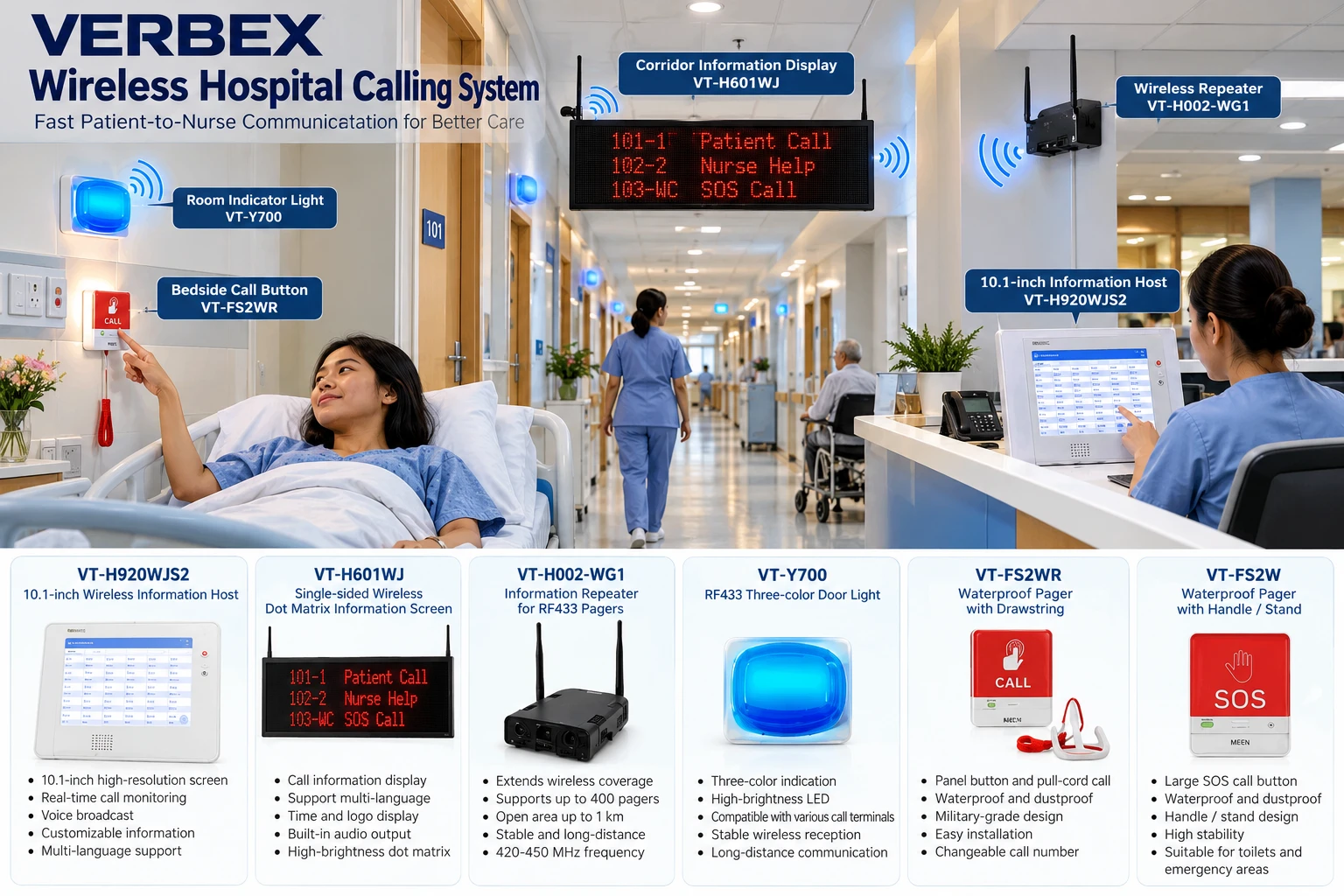
 Calling System
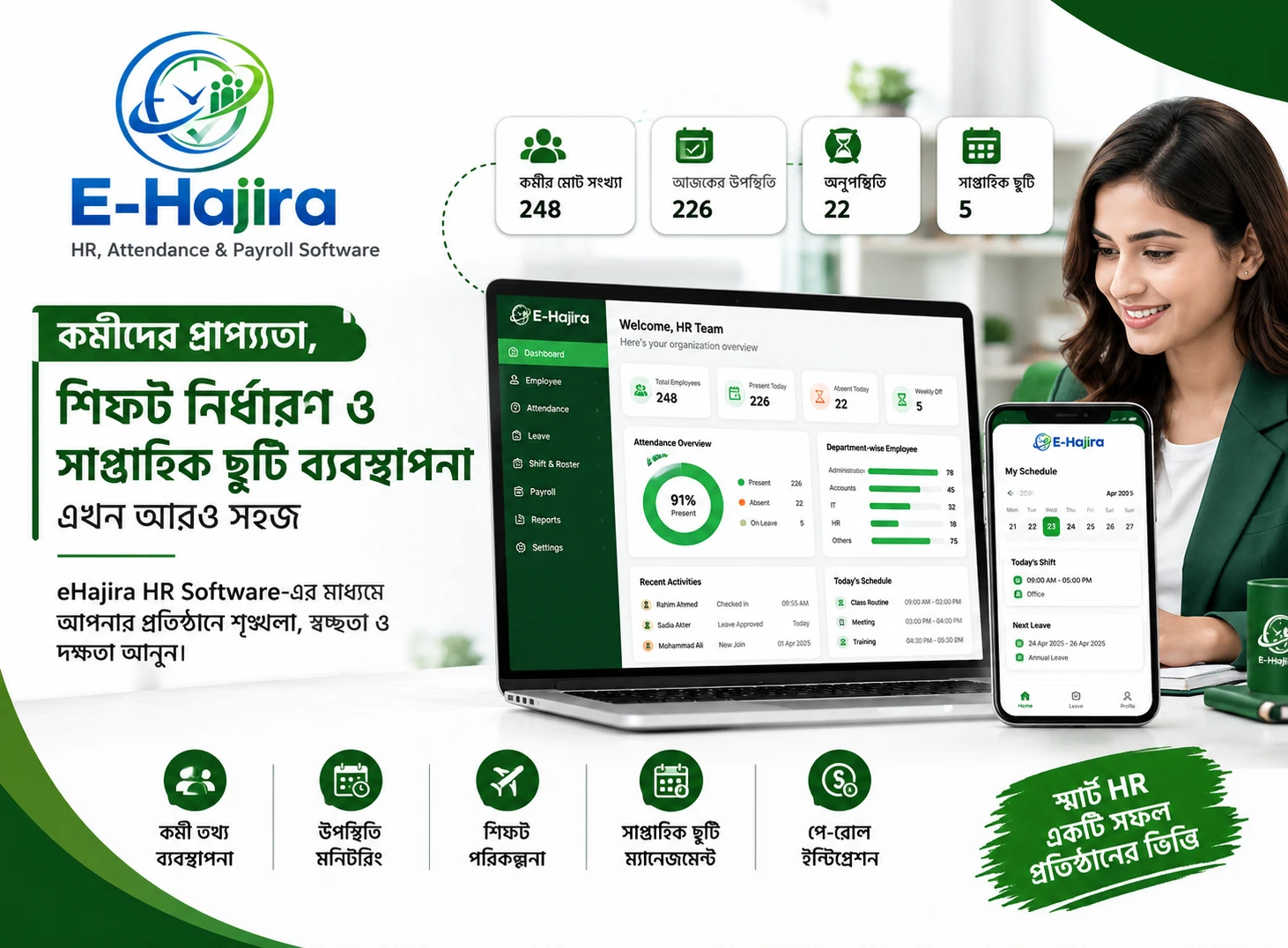
রাতের শিফটে মিসিং পাঞ্চ পর্যালোচনা: eHajira গাইড
November 06, 2026

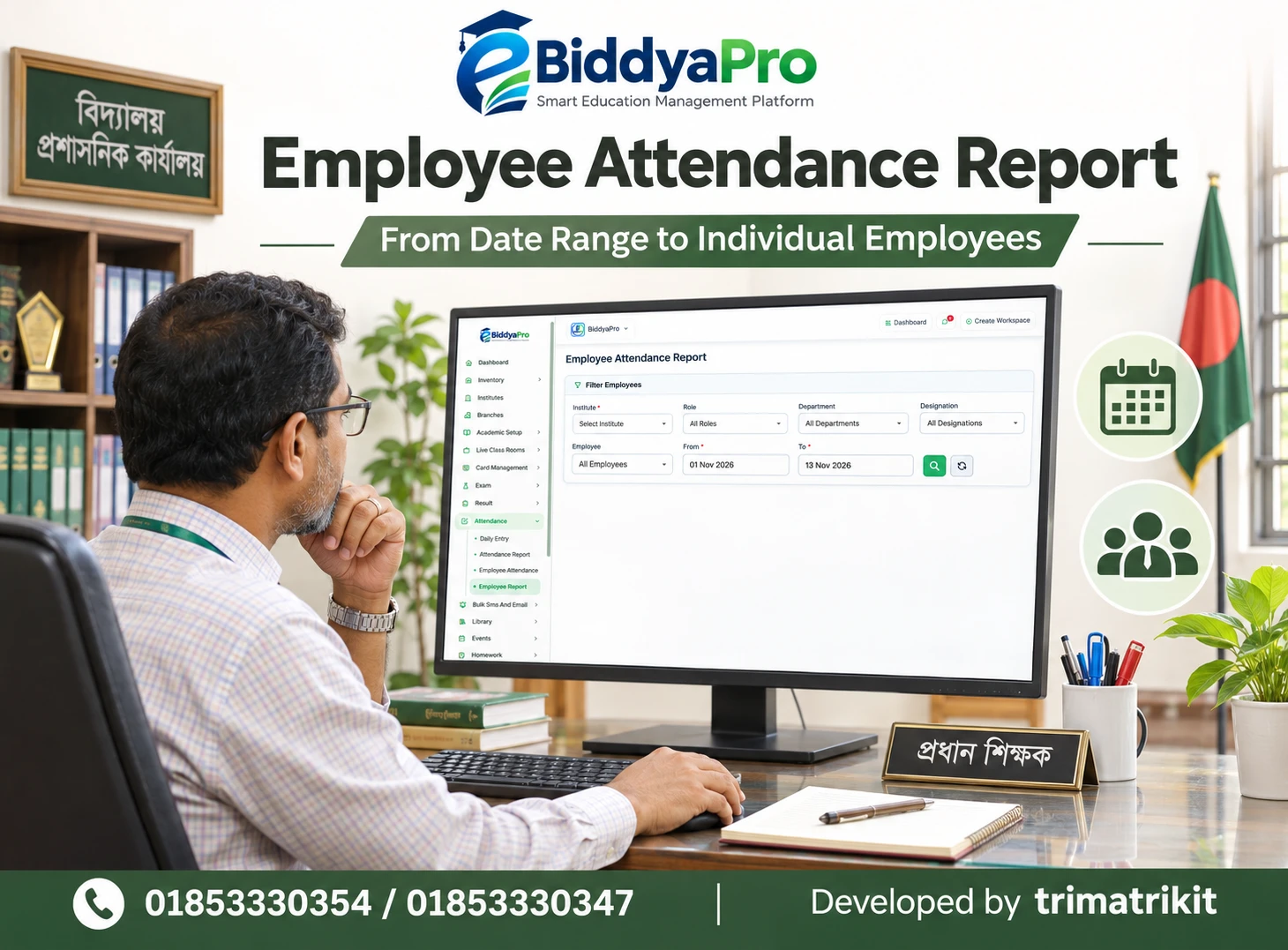
From Daily Roll Calls to Attendance Reports: An eBiddyaPro Guide
Recording attendance is one of the first responsibilities of a school day. A teacher calls students’ names, checks who is present, and records those who have not arrived. However, the value of attendance information extends beyond that initial classroom routine. When records are organized consistently, they can help schools identify repeated absences, answer guardian questions, review class participation, and prepare meaningful monthly summaries.
For educational institutions in Bangladesh, the challenge is often connecting these activities. Teachers may maintain classroom registers while administrators prepare separate spreadsheets. When a guardian asks about a student’s attendance history, staff may need to search several records before providing a reliable answer.
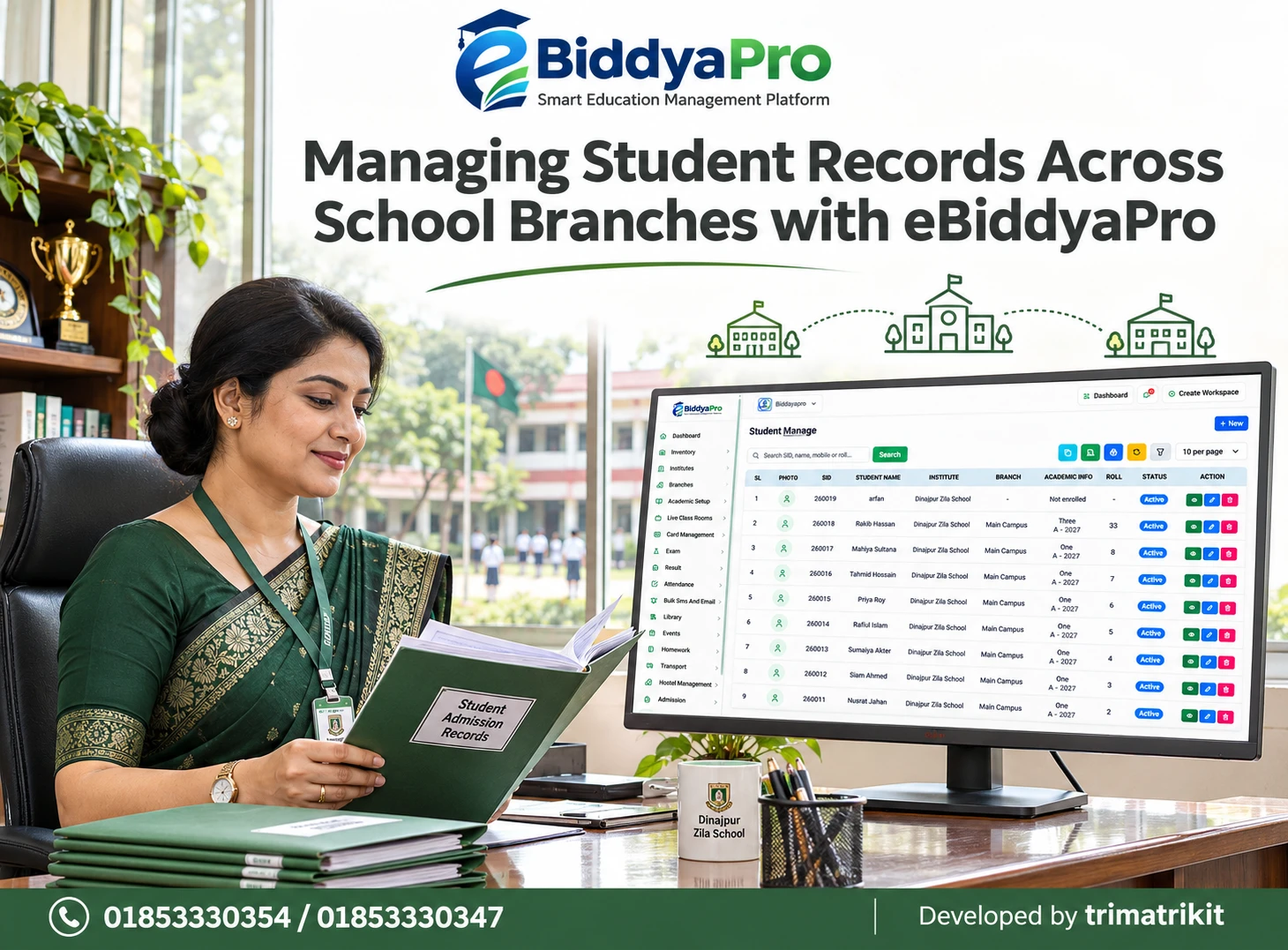
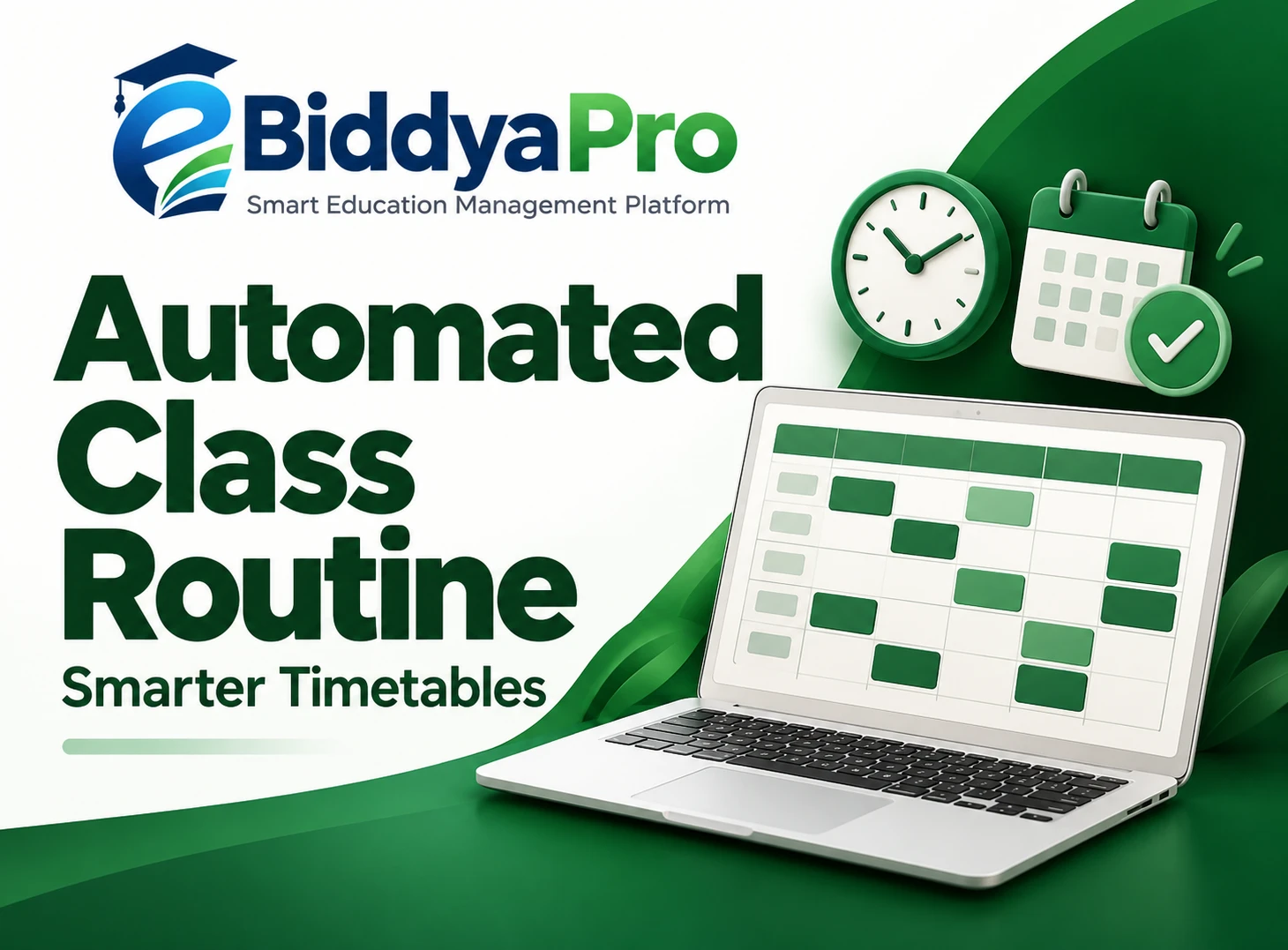
A structured digital workflow can make this information easier to maintain and review. eBiddyaPro is presented by its developer as a school management platform covering student admission and attendance, fees, examinations, results, and centralized reports. This provides a starting point for institutions evaluating how to connect everyday attendance recording with administrative reporting.
This guide explains a practical attendance management approach for schools in Bangladesh. The recommended procedures should be matched to the entry methods, reports, permissions, and communication options available in the institution’s selected eBiddyaPro configuration.
What Is Student Attendance Management?
Student attendance management is the process of recording, reviewing, correcting, and reporting whether learners attended the sessions they were expected to attend.
A daily roll call creates the initial record. Attendance management adds the structure needed to make that record useful over time. It connects each entry to the correct student, academic session, class, section, date, and relevant attendance period.
For example, an administrator should be able to distinguish a student who was absent from a student whose attendance has not yet been recorded. Those situations require different responses.
The purpose is therefore broader than replacing a paper register. A reliable process helps teachers maintain accurate information and gives administrators a consistent basis for follow-up.
Why Attendance Records Matter in Bangladesh
Attendance information can help schools notice when a student’s participation changes. However, absence does not explain its own cause. A learner may miss school because of illness, transport difficulties, family responsibilities, financial pressure, or another issue requiring a supportive conversation.
UNICEF Bangladesh identifies continuing challenges around school completion and educational exclusion. It highlights the vulnerability of poorer children, children with disabilities, and children in disaster-affected areas, while noting that climate hazards can interrupt education. These findings reinforce the importance of reviewing attendance in context rather than treating every absence as a disciplinary problem.
A digital attendance record cannot resolve these barriers by itself. It can, however, help a school recognize a pattern, verify the information, and contact the appropriate guardian or staff member sooner.
How eBiddyaPro Fits into the Attendance Workflow
Schools should evaluate attendance software through the work that teachers and administrators actually perform.
Can a teacher find the correct class quickly? Can an administrator review records for a selected date? Can staff distinguish incomplete submissions from confirmed absences? Can the institution produce the monthly summary it needs?
The published eBiddyaPro practical guide describes attendance management as recording student presence, absence, and other attendance statuses. It also advises institutions to confirm entry methods and reporting options separately, including any biometric, RFID, mobile, or guardian notification capabilities.
A useful demonstration should follow one complete example from student selection to a final report. This gives the school a clearer understanding of the proposed setup than a presentation showing dashboard totals alone.
Begin with Accurate Student Records
Attendance accuracy starts before the first roll call.
Each learner should have a consistent student identifier linked to the correct academic session and class assignment. Names alone are insufficient because two students may share the same name or have similar spellings.
Class rolls also need careful handling. A roll number may change after promotion or reassignment, while the underlying student identity should remain connected to the learner’s history.
Before introducing attendance recording, the school should review duplicate profiles, inactive students, transferred learners, and incorrect section assignments. Otherwise, teachers may repeatedly encounter students who should not appear on their current roster.
Clean records reduce confusion and make later attendance reports easier to interpret.
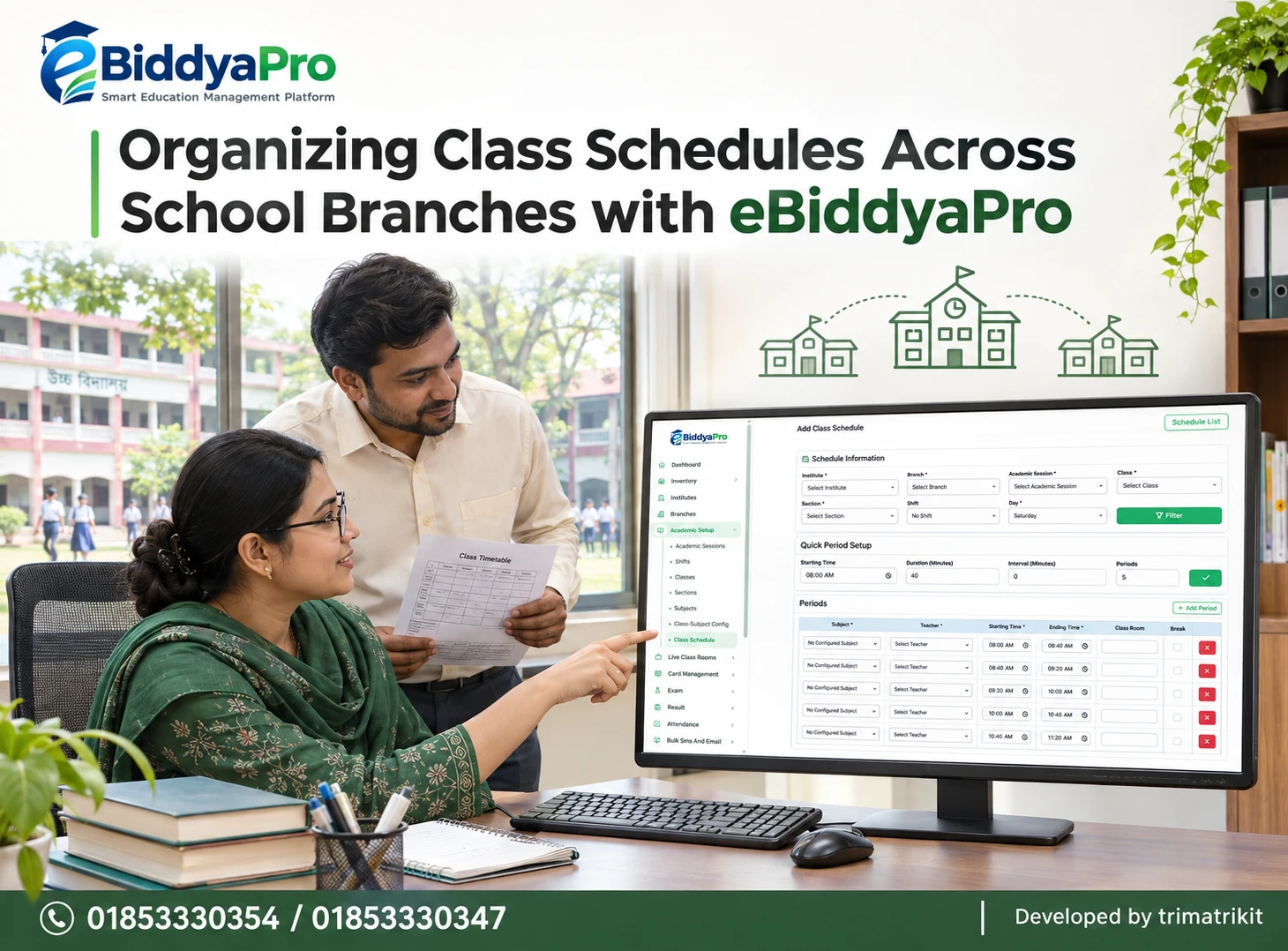
Set Up Classes, Sections, and Shifts Clearly
The attendance roster must reflect the institution’s actual teaching structure.
A school operating morning and day shifts should avoid mixing students from both groups in one recording view. Similarly, sections with the same class name need clear labels so teachers select the intended group.
Schools should agree on consistent naming conventions. Using “Class Six A” in one place and “VI-A” elsewhere can create unnecessary uncertainty during data preparation and reporting.
Academic session changes also require attention. Previous-year attendance should remain distinguishable from current records, while newly promoted students should appear under their current assignments.
These organizational decisions help prevent errors that software users would otherwise need to correct repeatedly.
Establish a Consistent Daily Roll Call Routine
Teachers need a routine that fits naturally into the school day.
Before recording attendance, the responsible teacher should confirm the date, class, section, and session. The teacher can then check the roster against the students physically present.
If the configured workflow begins with a default status, staff should understand exactly what that default means. An unchecked name must not automatically become a confirmed absence unless the school has deliberately approved that procedure and the teacher verifies the result.
Attendance should be completed within an agreed period. A consistent deadline allows administrators to identify classes where recording is still pending without confusing late submission with student absence.
Define Attendance Statuses Before Using Them
Schools should decide how attendance categories will be interpreted before collecting large amounts of data.
Present and absent may seem straightforward, but late arrival, approved leave, early departure, school activities, and partial attendance can require additional rules.
The institution should establish which categories its selected setup supports and how each category affects summaries. Teachers should receive the same explanation so similar situations are handled consistently.
For example, a learner who arrives after roll call should not remain absent simply because the initial entry was never updated. Equally, a student attending an authorized school event may require a different treatment from an unexplained absence.
Clear definitions make reports more meaningful and reduce disagreements.
Separate Daily Attendance from Period Attendance
Being present at school does not necessarily establish attendance in every lesson.
An institution recording attendance once each morning is measuring daily attendance. A school recording individual lessons is collecting period attendance. These records answer different questions.
Administrators should decide which approach is necessary and confirm whether the proposed system supports it. Combining both approaches without clear labels can produce misleading totals.
The same distinction applies to examinations and online classes. Exam absence should not automatically be treated as ordinary school-day absence, and participation in a live online class may require a separate record.
Reports should clearly state what type of attendance they represent.
Review Missing and Incorrect Entries Promptly
Even careful teachers occasionally select the wrong student or overlook an update.
Schools should establish a correction process that identifies who can request a change, who reviews it, and what explanation is required. Where the software provides change history or approval controls, the institution should test those functions during setup.
If those controls are unavailable, a documented administrative process can still establish accountability.
Corrections should be made while the circumstances remain easy to verify. Waiting until the end of a term can make it difficult to determine whether an entry reflects an actual absence or a recording mistake.
Accurate reporting depends on resolving these exceptions, not simply accumulating more records.
Turn Daily Entries into Monthly Attendance Reports
A monthly attendance report should summarize verified daily information within a clearly defined reporting period.
The report needs to distinguish scheduled school days from weekends, holidays, closures, and other excluded dates. It should also account appropriately for students admitted or transferred during the month.
Consider an illustrative example: a student was expected to attend 22 school days and was present on 20. Under a simple present-days calculation, the attendance percentage would be approximately 90.9%.
That result depends on the denominator being correct. Using calendar days instead of eligible school days would produce a misleading figure.
Schools should confirm how eBiddyaPro calculates attendance percentages and how different statuses affect the total before relying on the output.
Read Class and Section Summaries Carefully
Class summaries can help administrators understand participation across groups, but comparisons need context.
A class with more recorded absences may have a larger student population. Another section may have fewer completed attendance submissions. Comparing raw absence totals alone could therefore produce the wrong conclusion.
Attendance rates, eligible student numbers, completed recording days, and unresolved entries should be considered together.
The school should also avoid using a class ranking as a substitute for investigation. A difference may reflect transport disruption, a local event, or incomplete data rather than a teacher’s performance.
Reports become useful when they lead to informed questions and appropriate action.
Use Individual History for Supportive Follow-Up
A student’s attendance history can reveal patterns that a single daily register does not make obvious.
For example, a learner may repeatedly miss the same weekday or begin arriving late after a change in transport arrangements. Another student may show a sudden decline after previously attending regularly.
The appropriate next step is verification and conversation. A teacher or designated staff member should check the record, speak sensitively with the student when appropriate, and contact the guardian through the school’s approved process.
Attendance information should support assistance. It should not be used to make unsupported assumptions about a learner’s motivation, family circumstances, or academic ability.
Communicate Clearly with Guardians
Guardian communication works best when the school shares accurate, specific information.
An attendance message should identify the student, relevant date, and reason for contact. Staff should verify the entry before sending an absence notification, especially where a late arrival or classroom transfer may explain the initial record.
Schools considering SMS, a guardian portal, or another communication channel should confirm availability, recipient selection, costs, and delivery reporting.
A delivered message does not establish that the intended guardian read or understood it. Where an absence raises a significant concern, the institution may need a direct conversation.
Guardian contact information should also be reviewed regularly to prevent messages reaching outdated numbers.
Plan for Internet or Device Interruptions
Attendance recording needs a practical fallback.
If a teacher cannot access the system, the school can use an approved temporary register and enter the verified information later. The temporary record should identify the date, class, responsible teacher, and any relevant changes.
Staff should know who transfers that information and how duplicate entry will be prevented.
Offline functionality should never be assumed. Institutions should ask whether their selected eBiddyaPro setup supports offline recording, delayed submission, or another continuity method.
A simple, well-understood fallback process is more dependable than an unclear assumption that records will synchronize automatically.
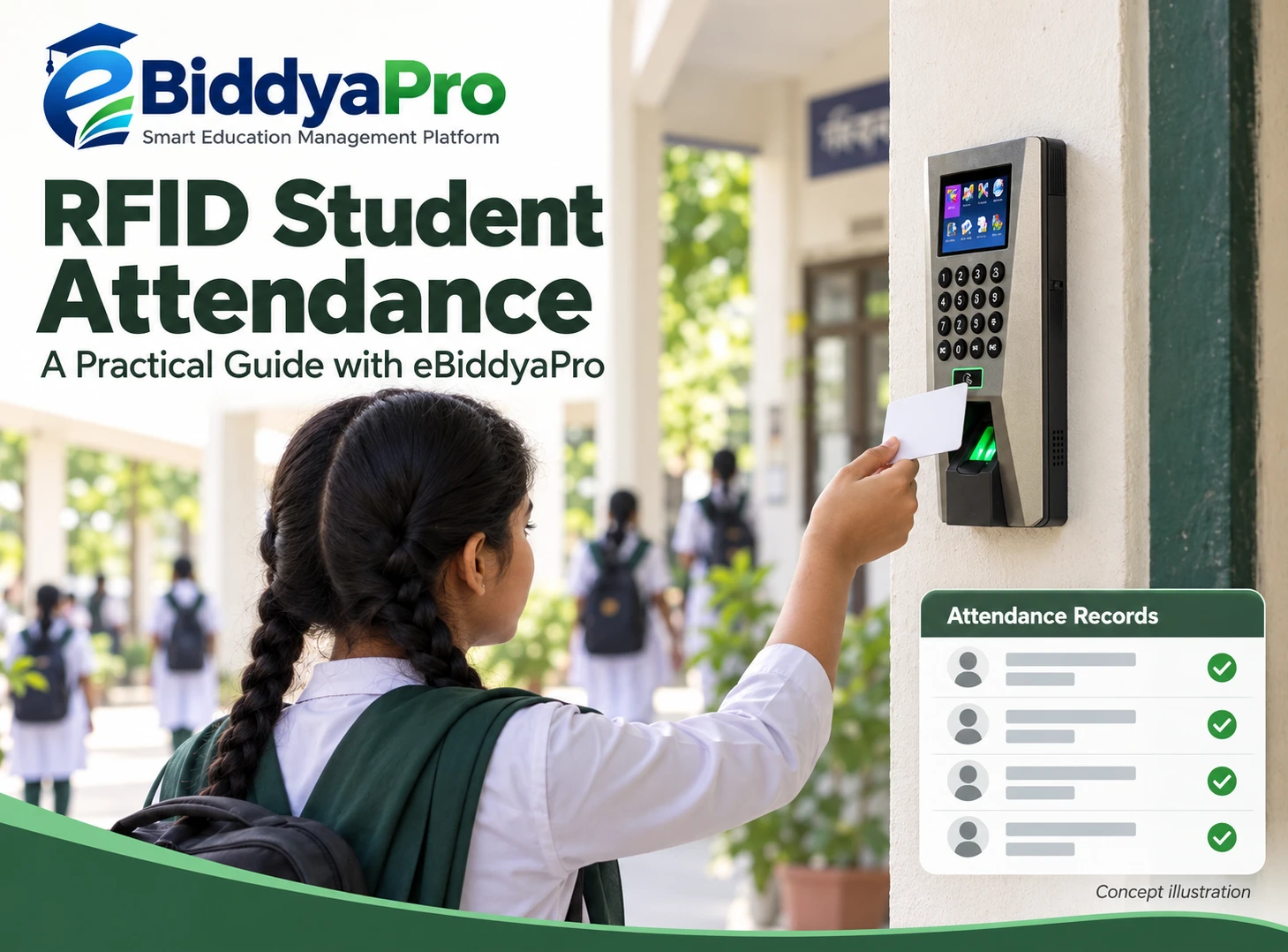
Evaluate Biometric and RFID Attendance Separately
Some schools may consider biometric devices or RFID cards alongside teacher-managed roll calls.
These methods introduce additional requirements, including student identification, device placement, duplicate scans, missed scans, and the relationship between a gate entry and actual classroom presence.
A device log showing entry to the campus does not necessarily prove attendance in every lesson. Schools need to define what the recorded event represents.
Before adopting an integration, request a demonstration using the intended device model and reporting workflow. Confirm how unmatched IDs, incorrect timestamps, and interrupted connections are handled.
The technology should support the school’s attendance policy rather than determine that policy by default.
Protect Student Attendance Information
Attendance records contain information about children and their routines.
Schools should determine which employees need access and whether they require permission to view, enter, correct, or export records. Shared accounts make responsibility harder to establish and should be avoided where individual accounts are available.
Reports should be distributed only to appropriate recipients. Publicly posting named absence lists can expose information unnecessarily and may embarrass students.
Institutions should also discuss backup arrangements, restoration, retention, and data export with the provider.
Privacy is part of responsible attendance management because the usefulness of a record does not justify unrestricted access to it.
Introduce the Workflow through a Small Pilot
A pilot helps the school identify practical difficulties before expanding implementation.
One class or section can test roster accuracy, daily recording, late-arrival updates, corrections, monthly summaries, and guardian follow-up procedures.
Teachers should explain where they encounter confusion or unnecessary effort. Administrators should compare the pilot report with verified source records and investigate differences.
Success should be assessed through practical outcomes such as fewer unresolved entries, clearer responsibilities, and less time spent reconstructing reports. Schools should avoid promising a particular attendance improvement without evidence.
Once the process is understood, the institution can extend it gradually with appropriate training.
Frequently Asked Questions
1. What is the main purpose of digital student attendance management?
Its main purpose is to maintain consistent attendance records that teachers and administrators can review over time. The records support reporting, correction, and informed follow-up with students and guardians.
2. Does eBiddyaPro include student attendance management?
The developer lists student attendance among eBiddyaPro’s functions. Schools should confirm the specific entry methods, reports, and configuration included in their proposed package.
3. Can teachers continue using daily roll calls?
Yes. A roll call can remain the classroom method for identifying who is present. Digital recording provides an organized way to maintain and review the resulting information.
4. What information should be checked before recording attendance?
The teacher should verify the date, academic session, class, section, and student roster. Incorrect selections can create errors that later affect individual histories and monthly summaries.
5. Should an incomplete attendance entry count as an absence?
An incomplete entry and a confirmed absence represent different situations. Schools should distinguish them and establish a process for resolving pending submissions before preparing final reports.
6. How should schools handle students who arrive late?
The school should apply its approved late-arrival policy and update the initial record where necessary. Available status options and their reporting treatment should be confirmed during configuration.
7. Can daily and period attendance be treated as the same record?
They measure different things. Daily attendance records participation in the school day, while period attendance relates to individual lessons. Reports should identify which method is being used.
8. How is a monthly attendance percentage calculated?
A basic calculation divides attended eligible days by total eligible days and multiplies by 100. The institution must confirm its rules for leave, late arrival, partial attendance, and exclusions.
9. Should holidays appear as absent days?
Ordinary holidays and approved closures should not be confused with days a student was expected to attend. The reporting calendar and calculation rules need to reflect the actual schedule.
10. How should attendance be handled for mid-month admissions?
The report should use the student’s applicable attendance period. Days before admission should not automatically reduce the learner’s attendance percentage.
11. What happens when a student changes sections?
The school should update the current assignment while preserving relevant historical records. Staff should verify how section changes affect rosters and reports in the selected setup.
12. Can an incorrect attendance entry be corrected?
Schools should establish a controlled correction procedure. Confirm which users can edit records, whether an explanation can be retained, and whether change history is available.
13. Can administrators compare attendance across branches?
Schools should request a demonstration of the available branch reporting options. Comparisons should use consistent dates, attendance definitions, eligible populations, and completed records.
14. Does an attendance report explain why a student was absent?
No. It records the attendance outcome. Understanding the reason usually requires verification and a sensitive conversation with the learner or guardian.
15. Can guardians receive absence notifications?
Schools should confirm available communication channels, recipient controls, costs, and delivery information. Notification functions should not be assumed to be included in every configuration.
16. Can biometric devices replace classroom checks?
A biometric event can establish a recorded interaction with a device, depending on the setup. It does not automatically establish presence in every classroom or lesson.
17. Does eBiddyaPro automatically support every attendance device?
Compatibility should be verified for the intended device model and integration method. Schools should test real sample records rather than relying on a general integration claim.
18. What should teachers do during an internet interruption?
They should follow the school’s approved fallback procedure, such as maintaining a temporary register. Responsibility for later entry and duplicate prevention should be clearly assigned.
19. Who should access student attendance reports?
Access should be limited to people with a legitimate school responsibility. Teachers, administrators, and guardians may need different views, depending on the available permission controls.
20. How often should attendance information be reviewed?
Daily review helps resolve missing submissions and immediate concerns. Weekly pattern reviews and monthly summaries can support broader follow-up and administrative planning.
21. Can attendance software prevent students from dropping out?
Software alone cannot prevent dropout. Accurate records can support earlier identification and follow-up, while effective assistance depends on understanding and addressing the student’s circumstances.
22. What should a school test before adopting eBiddyaPro?
The school should test a complete attendance example, including roster selection, recording, correction, reporting, and any proposed guardian communication. Costs, training, support, and data handling should also be discussed.
Build a Reliable Attendance Process with eBiddyaPro
Useful attendance reports begin with accurate classroom records and clear responsibilities. When schools verify rosters, define attendance categories, resolve mistakes promptly, and interpret summaries carefully, daily roll calls become a stronger foundation for student support.
For institutions in Bangladesh, an eBiddyaPro demonstration should connect these everyday tasks with the reports administrators need. The aim is a process that teachers can maintain consistently and school leaders can trust when deciding what action to take.
To discuss your institution’s attendance requirements and request an eBiddyaPro demonstration, contact 01853330354 / 01853330347.
Recent Post